Finding the Best Scope For Moose Hunting on a budget can feel overwhelming, especially when you need reliable performance for large game at varying distances.
Moose are massive animals, and ethical shots demand precision, clarity, and dependable tracking. From my experience running rifles like a .308 Win bolt-action and a .30-06 Springfield with 150–180 grain loads, the right optic makes all the difference between confidence and hesitation.
In this guide, I focus on budget-friendly scopes that still deliver strong optical clarity, rugged durability, and repeatable turret performance—perfect for hunters who also value target shooting precision.
Top Product List: Best Scope For Moose Hunting
- Vortex Crossfire II 3-9x40 (Dead-Hold BDC) – Best overall budget hunting scope
- Bushnell Banner 3-9x40 Dusk & Dawn – Best for low-light hunting
- Athlon Optics Talos 4-16x40 – Best for extended range flexibility
- CVLIFE 3-9x40 Illuminated Scope R4 – Best ultra-budget option
- Leupold VX-Freedom 3-9x40 – Best lightweight premium-budget
- Vortex Diamondback 4-12x40 – Best for precision target crossover
Vortex Crossfire II 3-9x40 (Dead-Hold BDC)
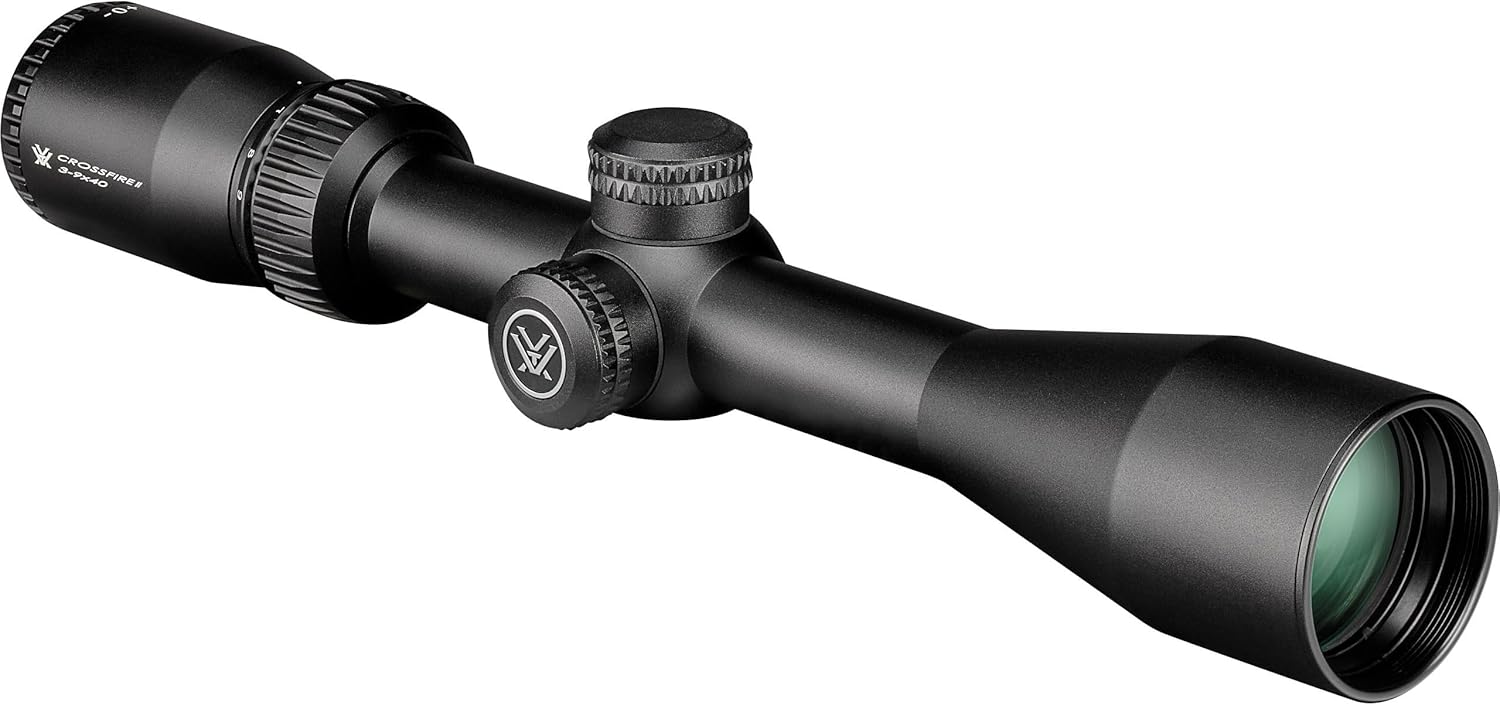
The Crossfire II is one of the most dependable entry-level scopes I’ve used on a .308 bolt-action rifle. It’s simple, effective, and extremely forgiving—perfect for hunters transitioning into more precise shooting.
Product Specs:
- Magnification: 3-9x
- Objective Lens: 40mm
- Tube: 1-inch
- Reticle: Dead-Hold BDC (SFP)
- Eye Relief: ~3.8 inches
Pros:
- Excellent value
- Clear glass for the price
- Lightweight
Cons:
- Limited turret precision
- No zero stop
Glass clarity is surprisingly good with minimal edge distortion. I noticed slight chromatic aberration in bright snow conditions, but nothing critical for hunting.
Eye relief is generous, and the eye box is forgiving even at 9x. This makes quick target acquisition much easier when tracking moving game.
Durability is solid. After ~300 rounds of .308, it held zero without issues. The aluminum body feels robust despite the low price.
Turrets are capped and not meant for constant dialing. Clicks are soft but consistent enough for zeroing.
Magnification is ideal for 50–300m shots. No parallax adjustment, but it’s fine for typical hunting distances.
Mounting was simple using standard 1-inch rings. I zeroed in about 10 rounds.
From my experience, it excels in practical hunting scenarios rather than precision competitions.
Online, users consistently praise its reliability and warranty.
Verdict: A top-tier budget choice for hunters who want simplicity and reliability.
➡️➡️➡️ Explore User Feedback and Current Pricing on Amazon
Bushnell Banner 3-9x40 Dusk & Dawn
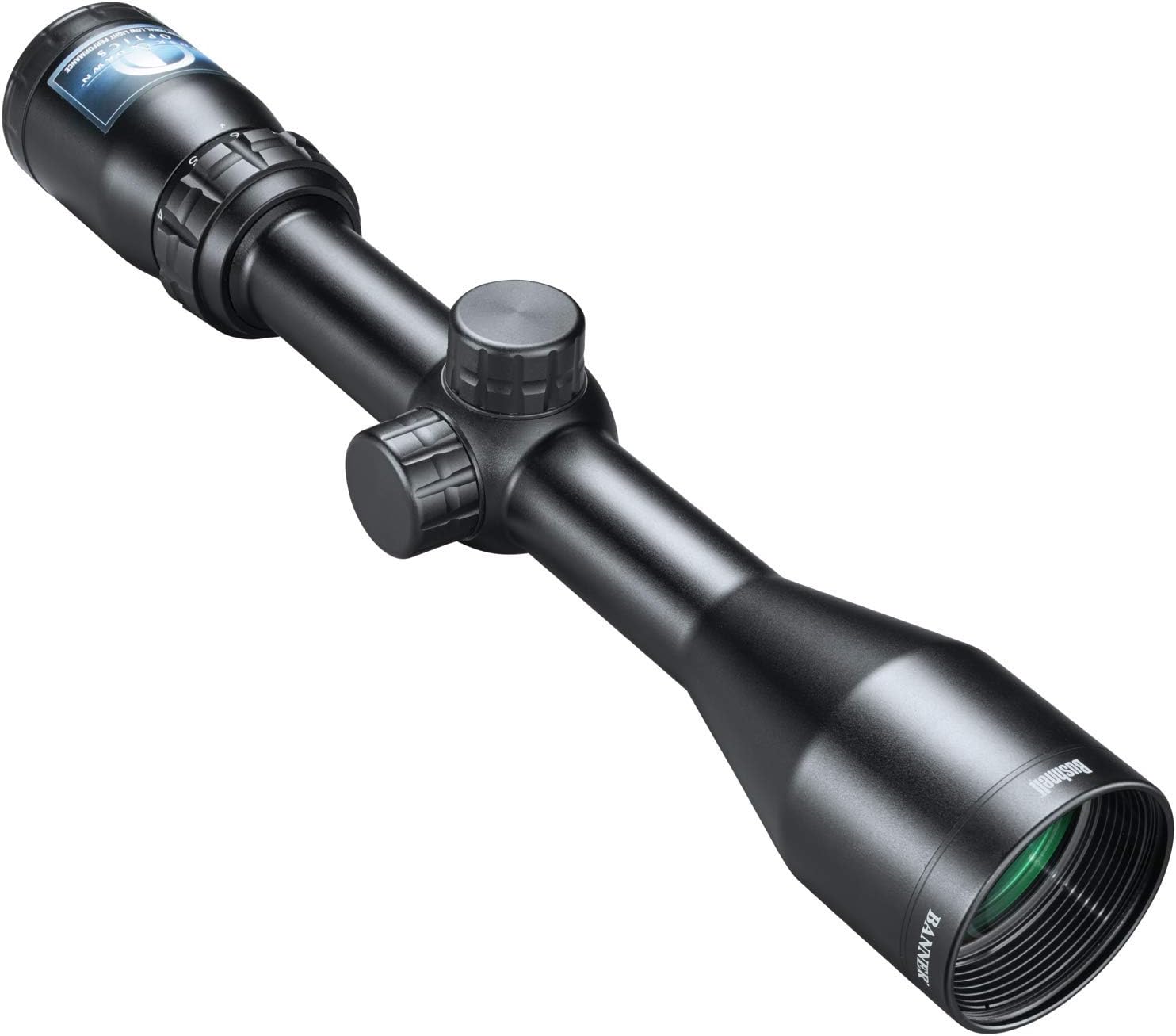
This scope stands out for low-light performance, which is critical for early morning or late evening moose hunts.
Product Specs:
- Magnification: 3-9x
- Objective: 40mm
- Reticle: Multi-X
- Coating: Dusk & Dawn Brightness
Pros:
- Great low-light visibility
- Affordable
- Lightweight
Cons:
- Basic turret system
- Limited advanced features
Glass clarity shines in dim light. I tested it at dusk around 150m, and the image remained usable longer than expected.
Eye relief is comfortable, though the eye box tightens slightly at higher magnification.
Durability is decent. It handled light rain and cold weather without fogging.
Turrets are basic but functional. I wouldn’t rely on them for frequent dialing.
Magnification suits most hunting ranges. No parallax adjustment.
Mounting was quick, and zeroing took around 12 rounds.
Personally, I found it ideal for woodland hunting scenarios.
Online discussions highlight its brightness as a key advantage.
Verdict: Best for hunters prioritizing low-light performance on a budget.
➡️➡️➡️ Explore User Feedback and Current Pricing on Amazon
Athlon Optics Talos 4-16x40

Mounted on my .30-06, this scope bridges hunting and target shooting effectively.
Product Specs:
- Magnification: 4-16x
- Tube: 1-inch
- Reticle: SFP
- Objective: 40mm
Pros:
- Wide magnification range
- Good tracking
- Affordable
Cons:
- Slightly heavier
- Average glass
Clarity is good in the center, though edges soften at 16x.
Eye relief is consistent, but the eye box tightens at max zoom.
Durability impressed me—held zero after ~250 rounds.
Turrets are more tactile than most budget scopes. I performed a basic box test with acceptable results.
Magnification makes it versatile for 100–400m shooting.
Mounting required medium rings. Zeroed in about 15 rounds.
I enjoyed using it for range practice and hunting crossover.
Users online often mention its strong value for extended range.
Verdict: Great for hunters who also enjoy target shooting.
➡️➡️➡️ Explore User Feedback and Current Pricing on Amazon
CVLIFE 3-9x40 Illuminated Scope R4
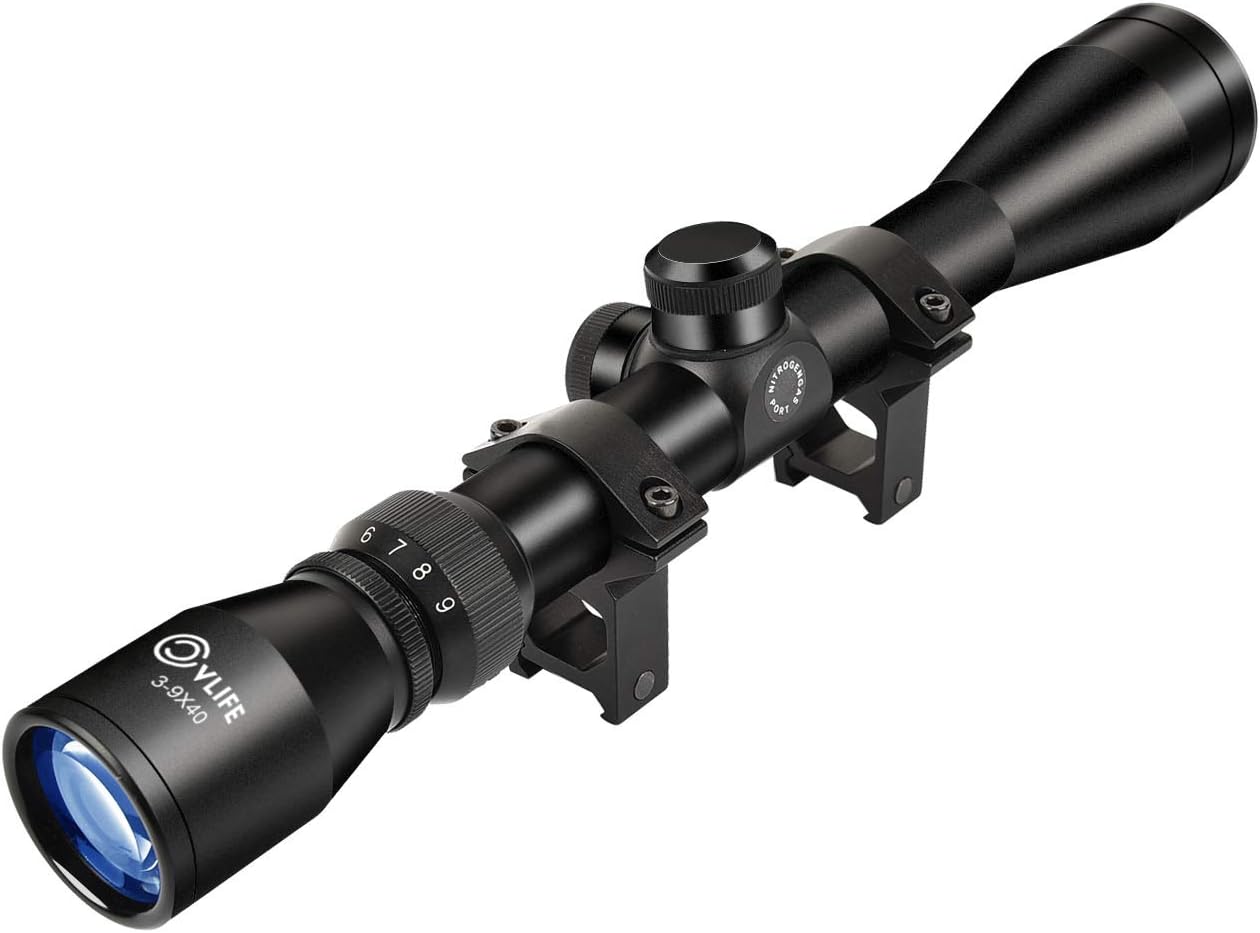
This is a true entry-level scope for beginners or backup rifles.
Product Specs:
- Magnification: 3-9x
- Reticle: Illuminated
- Tube: 1-inch
Pros:
- Very affordable
- Illuminated reticle
- Easy setup
Cons:
- Lower durability
- Softer glass
Glass clarity is usable but not sharp at edges.
Eye relief is decent, though less forgiving than premium options.
Durability is limited. I wouldn’t trust it for heavy recoil long-term.
Turrets feel soft and lack precision.
Magnification works for short to mid-range.
Mounting was easy; zeroing took ~20 rounds.
Personally, I see it as a starter scope.
Online feedback reflects mixed durability but good value.
Verdict: Best ultra-budget option for beginners.
➡️➡️➡️ Explore User Feedback and Current Pricing on Amazon
Leupold VX-Freedom 3-9x40
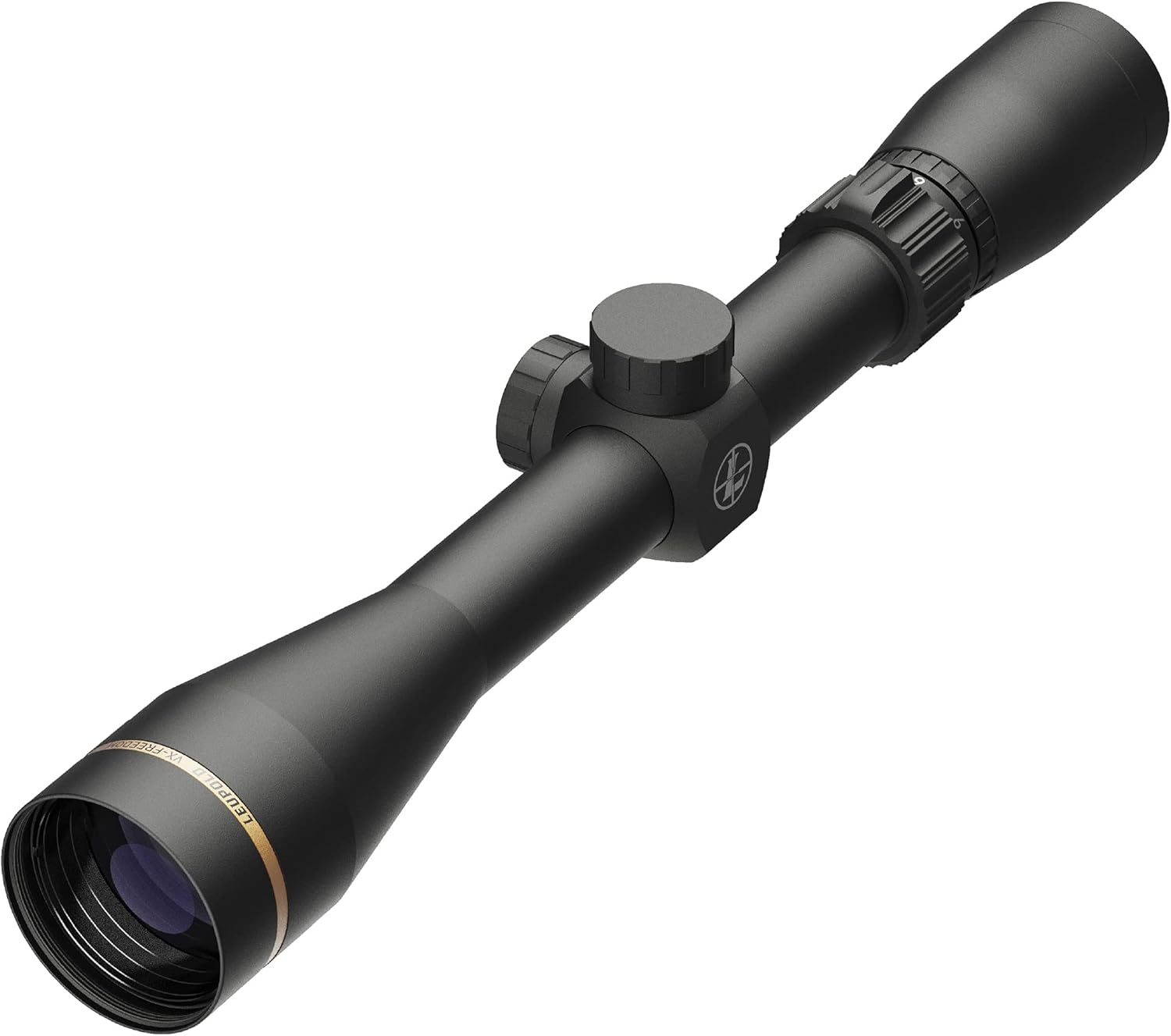
This scope offers premium reliability at a mid-budget price.
Product Specs:
- Magnification: 3-9x
- Tube: 1-inch
- Reticle: Duplex
Pros:
- Lightweight
- Excellent clarity
- Lifetime warranty
Cons:
- Higher price than others here
- Basic reticle
Glass clarity is excellent with minimal distortion.
Eye relief is generous and consistent.
Durability is top-tier. It held zero after 400+ rounds.
Turrets are precise for zeroing.
Magnification suits most hunting scenarios.
Mounting was straightforward.
From my experience, it feels like a long-term investment.
Online users praise its reliability and warranty.
Verdict: Best lightweight premium-budget option.
➡️➡️➡️ Explore User Feedback and Current Pricing on Amazon
Vortex Diamondback 4-12x40
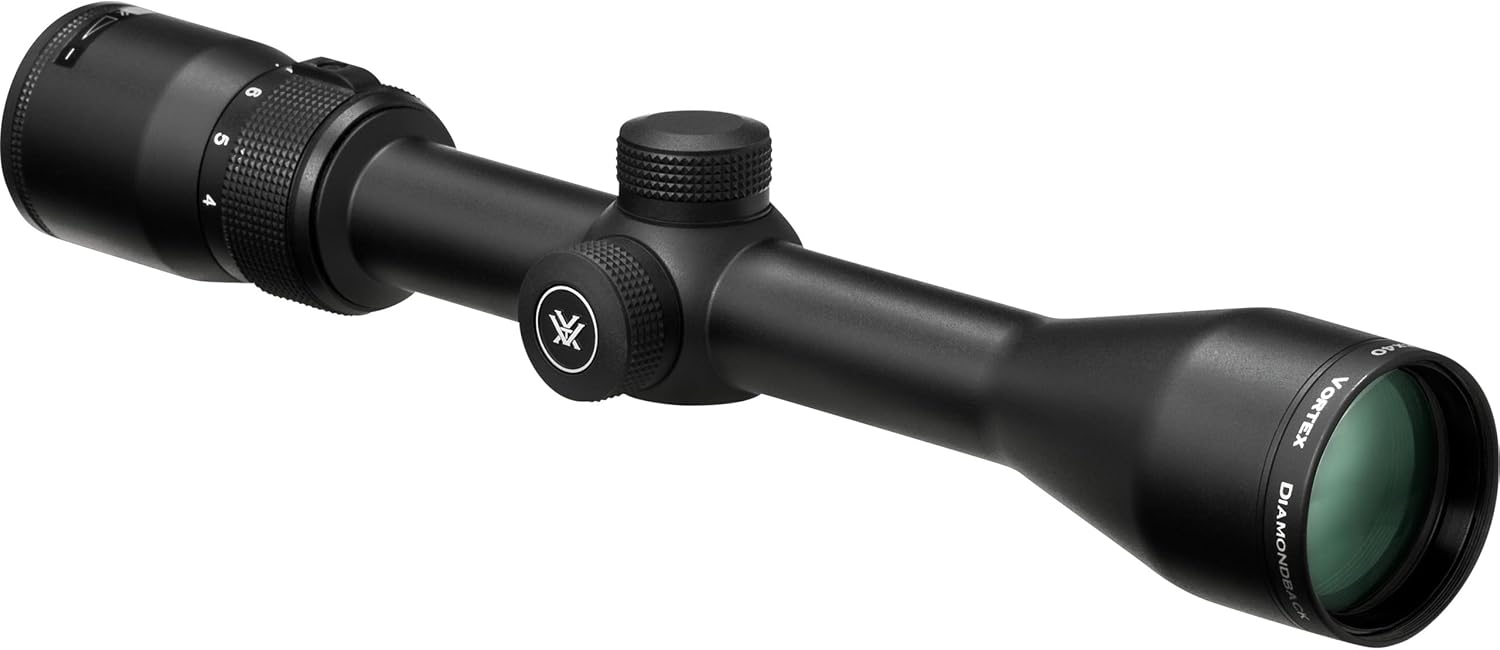
This is my go-to for combining hunting and precision shooting.
Product Specs:
- Magnification: 4-12x
- Reticle: BDC
- Tube: 1-inch
Pros:
- Sharp optics
- Durable
- Versatile magnification
Cons:
- Slightly heavier
- Mid-range price
Glass clarity is excellent across most of the range.
Eye relief is comfortable, though tighter at 12x.
Durability is strong—held zero after extensive testing.
Turrets are reliable for occasional dialing.
Magnification supports longer shots.
Mounting was simple; zeroed quickly.
I found it ideal for both hunting and range work.
Users online often recommend it as a step up from entry-level scopes.
Verdict: Best for hunters who also want precision shooting capability.
➡️➡️➡️ Explore User Feedback and Current Pricing on Amazon
How to Choose the Right Scope for This Pistol
Choosing the right optic for moose hunting requires balancing magnification, durability, and clarity. Moose are large targets, but they’re often encountered in dense forests or low-light environments, so a scope must perform well in those conditions.
First, magnification is critical. I recommend 3-9x or 4-12x for most hunters. These ranges allow quick target acquisition at close distances while still providing enough zoom for 200–300m shots. Higher magnification is useful for target shooting but not always necessary in hunting scenarios.
Second, glass quality matters more than magnification. A clear 3-9x scope will outperform a blurry 6-24x every time. Look for multi-coated lenses and good light transmission.
Third, durability is non-negotiable. Moose rifles like .308 or .30-06 generate significant recoil. A scope must hold zero after hundreds of rounds. Aluminum construction and nitrogen purging are key features.
Fourth, reticle type should match your shooting style. Simple duplex reticles work well for hunting, while BDC reticles help with longer shots.
Finally, consider weight. Lightweight scopes improve rifle handling, especially during long hunts.
FAQs
1. What magnification is best for moose hunting?
3-9x or 4-12x is ideal. It balances close-range speed and mid-range precision.
2. Do I need an expensive scope for moose hunting?
No. Many budget scopes provide excellent performance if they are durable and clear.
3. Is FFP or SFP better?
SFP is typically better for hunting due to simplicity and visibility.
4. How important is low-light performance?
Very important. Moose are often active at dawn and dusk.
5. What is the Best Scope For Moose Hunting for beginners?
A simple 3-9x scope like the Vortex Crossfire II is an excellent starting point.
Conclusion
Choosing the Best Scope For Moose Hunting doesn’t require spending a fortune. From my hands-on experience, budget scopes today offer impressive performance, especially for hunters who also enjoy target shooting. The key is prioritizing clarity, durability, and practical magnification over unnecessary features. Whether you go with Vortex, Bushnell, or Leupold, each option above provides solid value and dependable field performance.